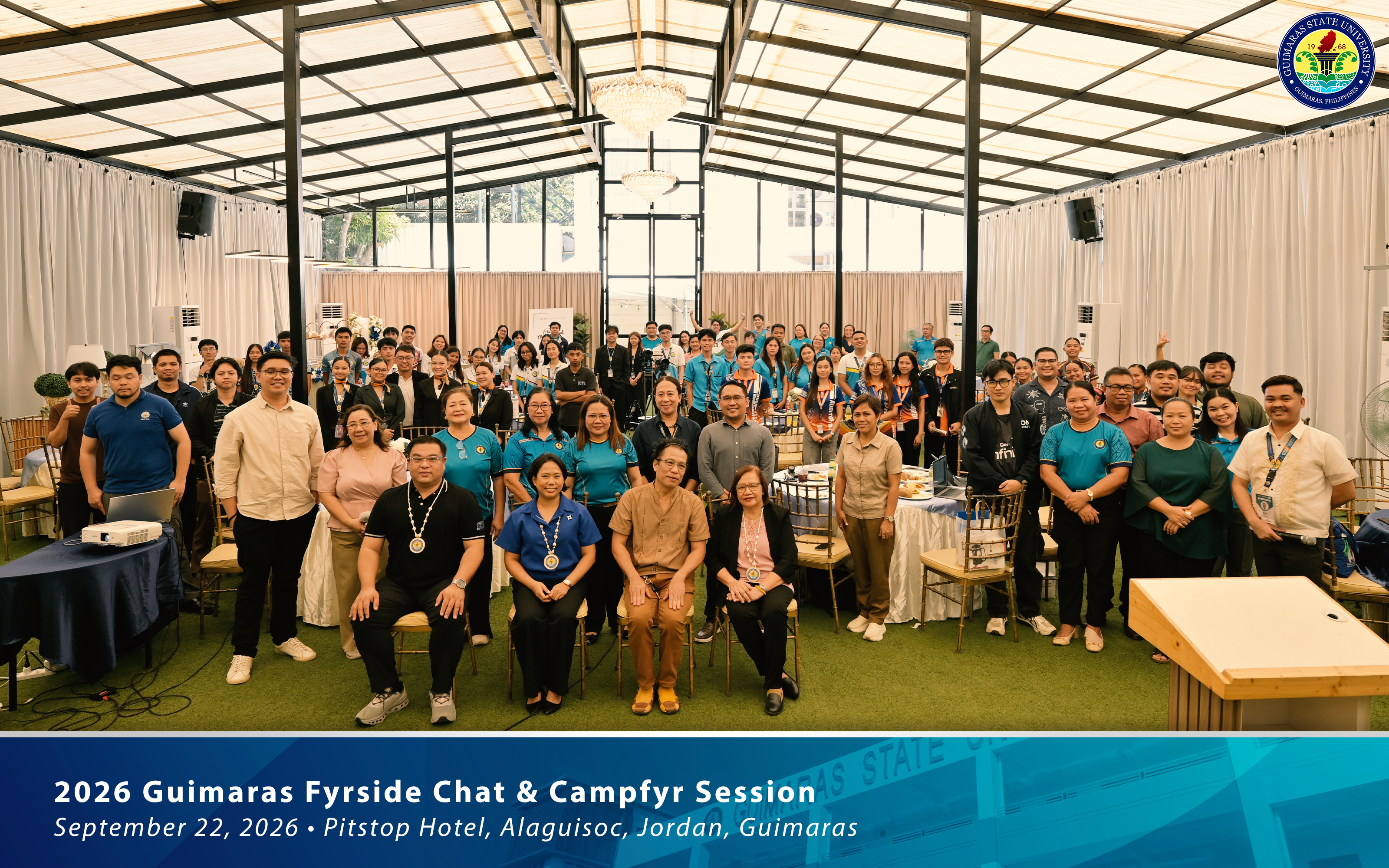
On September 22, 2026, Guimaras State University (GSU) brought government, industry, and academe into the same room at Pitstop Hotel, Jordan, Guimaras, for a discussion on the often difficult passage of research from the university into actual enterprise.
Carrying the theme “From Research to Impact: How Government, Industry, and Academe Can Build Startups and Create Impact,” the activity examined the points where scholarly work, public-sector support, and business acumen can converge to give research outputs a more practical life.
University President Dr. Lilian Diana B. Parreño, represented by Vice President for Academic Affairs Dr. Erly M. Martir, delivered the welcome remarks, opening the discussion on the role of higher education in moving research beyond academic documentation and toward applications that can answer concrete needs.
Mr. Francis Gentoral, Provincial Economic Development Officer of the Province of Guimaras, conveyed the message of support from the local government, bringing the provincial development perspective into the discussion on enterprise formation and innovation.
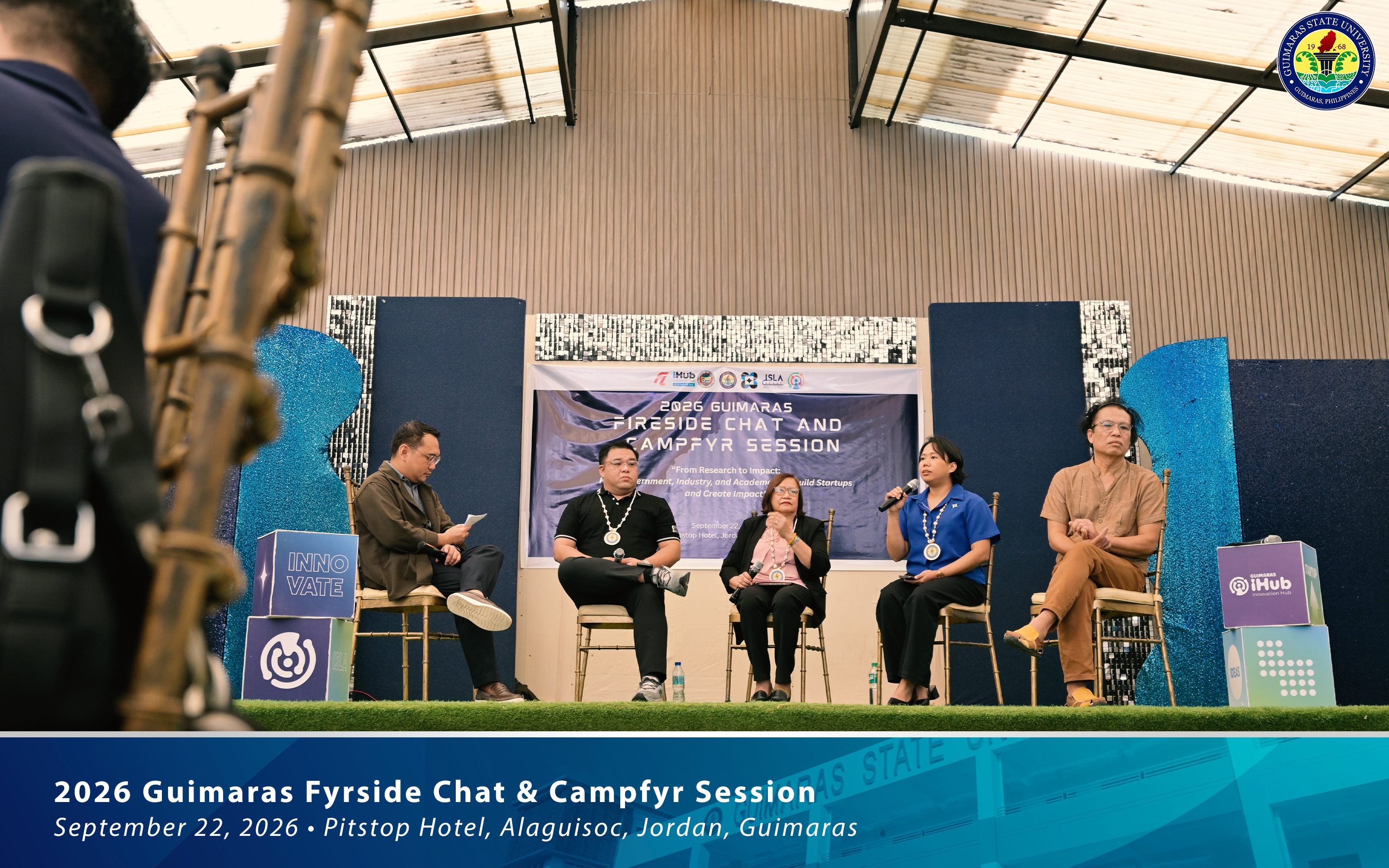
The activity’s central discussion was the fireside chat “From Research to Impact: How Government, Industry, and Academe Can Build Startups and Create Impact,” moderated by Mr. Daryl Lasafin, Manager of Fyrlab Accelerator.
Joining the conversation were Engr. Rowen R. Gelonga, Regional Director of DOST Western Visayas, represented by Ms. Keithlyn Sarah Bernardino; Dr. Carmelo V. Ambut, Vice President for Research, Extension and Innovation of ISAT University; Mr. Sanie D. Ong, President of the Guimaras Island Chamber of Commerce and Industry; and Mrs. Rebecca C. Tubongbanua, owner of McNester Food Products.
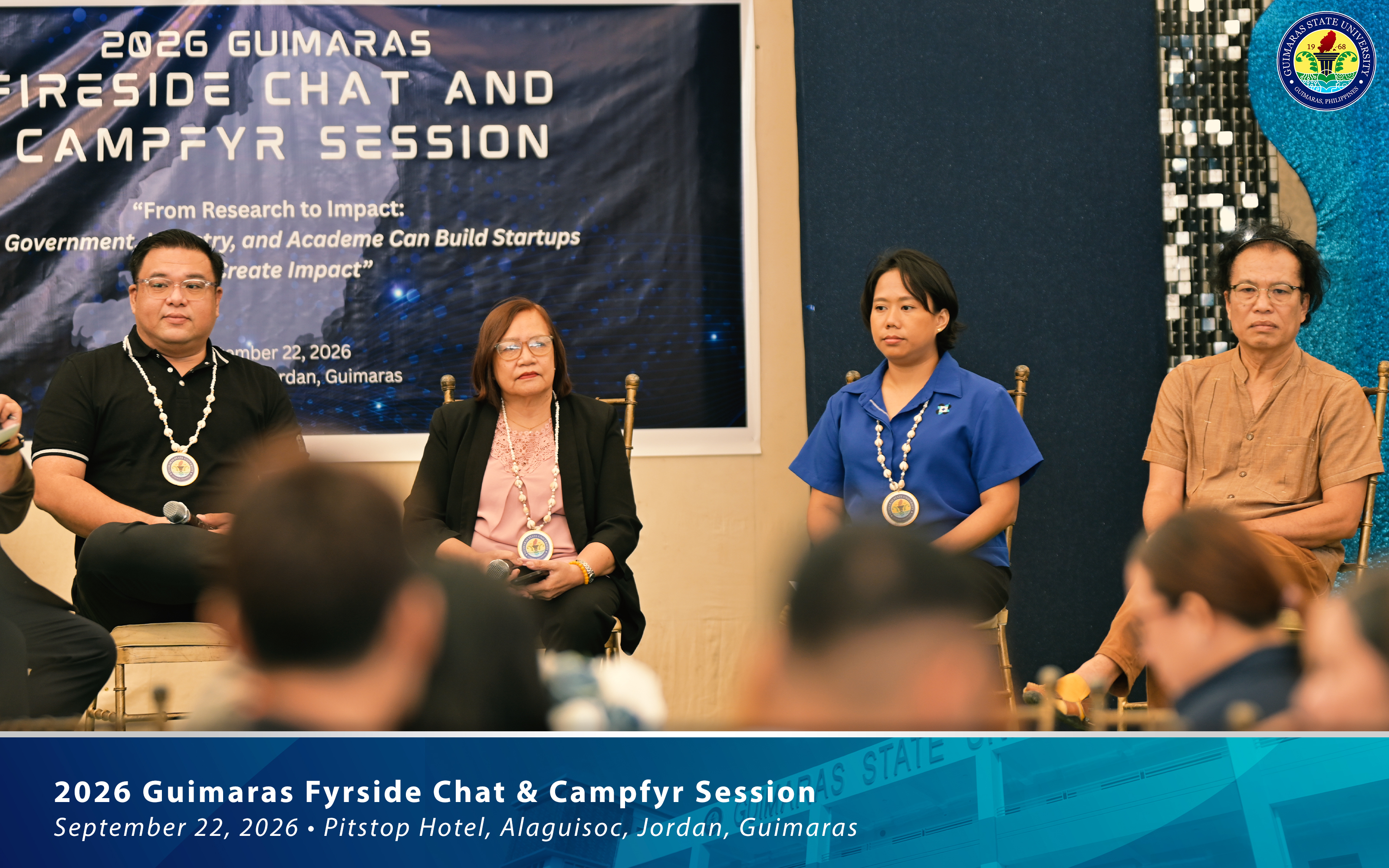
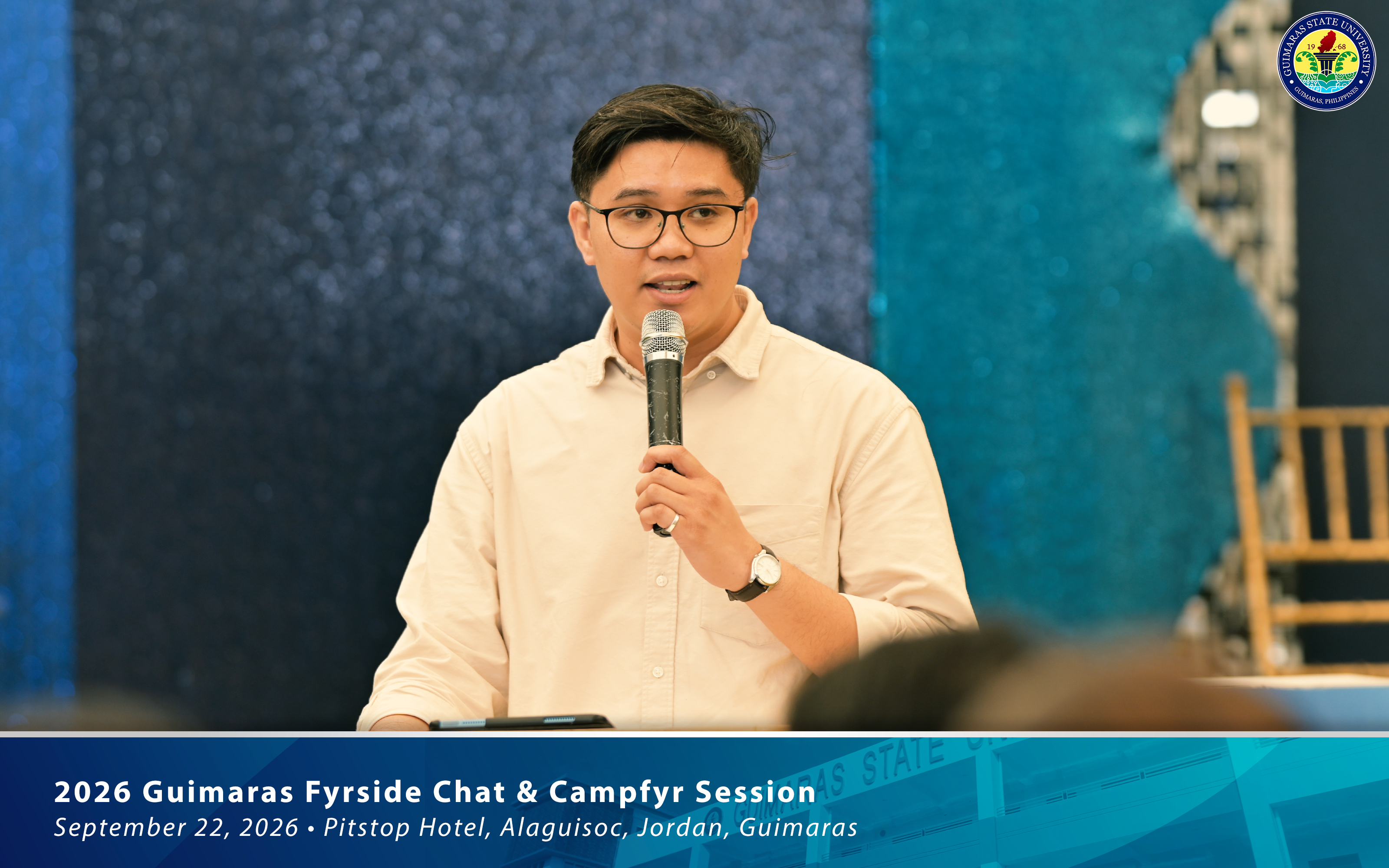
Their perspectives brought different institutional vantage points to the same question: what allows a research finding to leave the laboratory, field station, or university office and acquire a place in actual economic and community life?
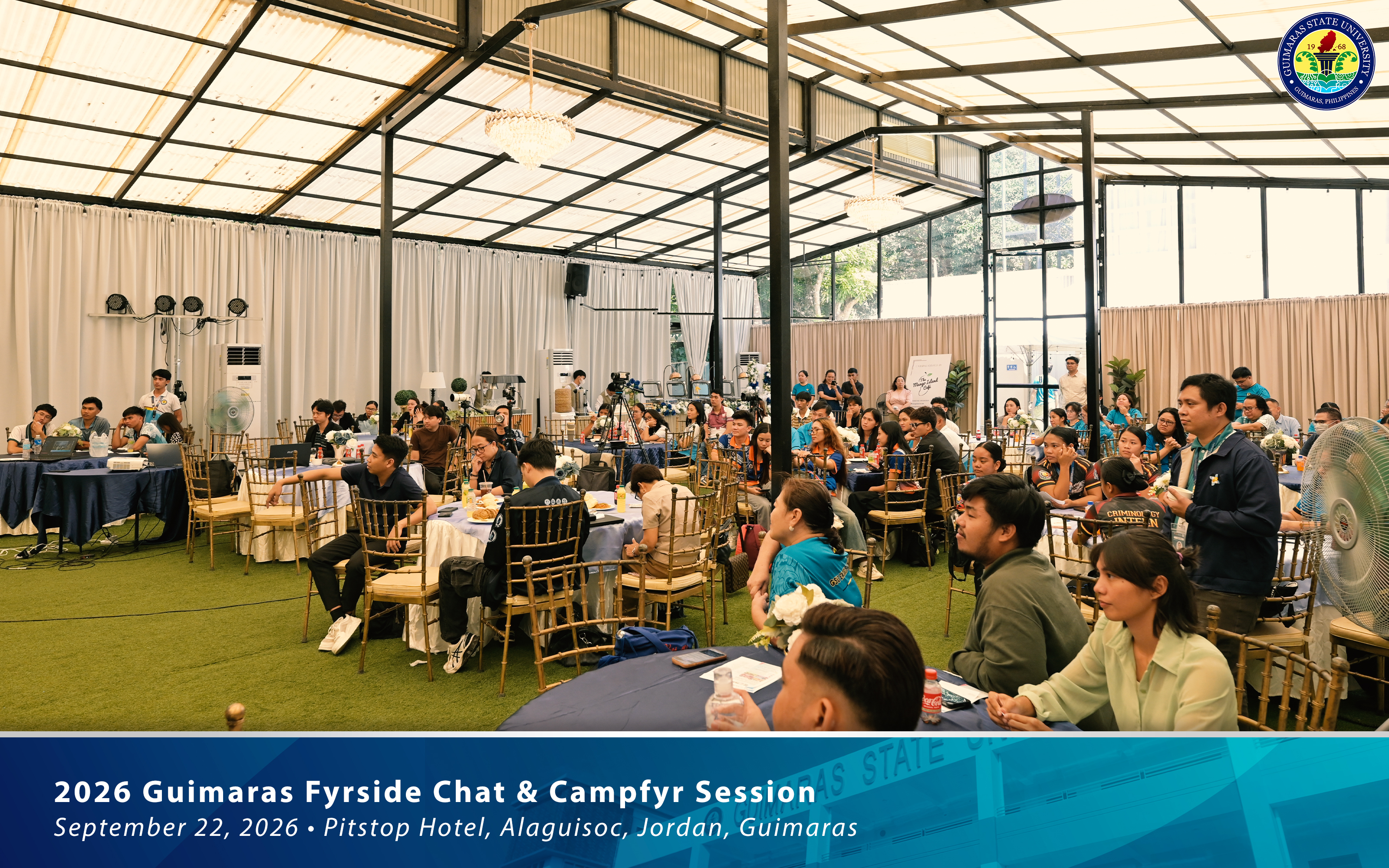
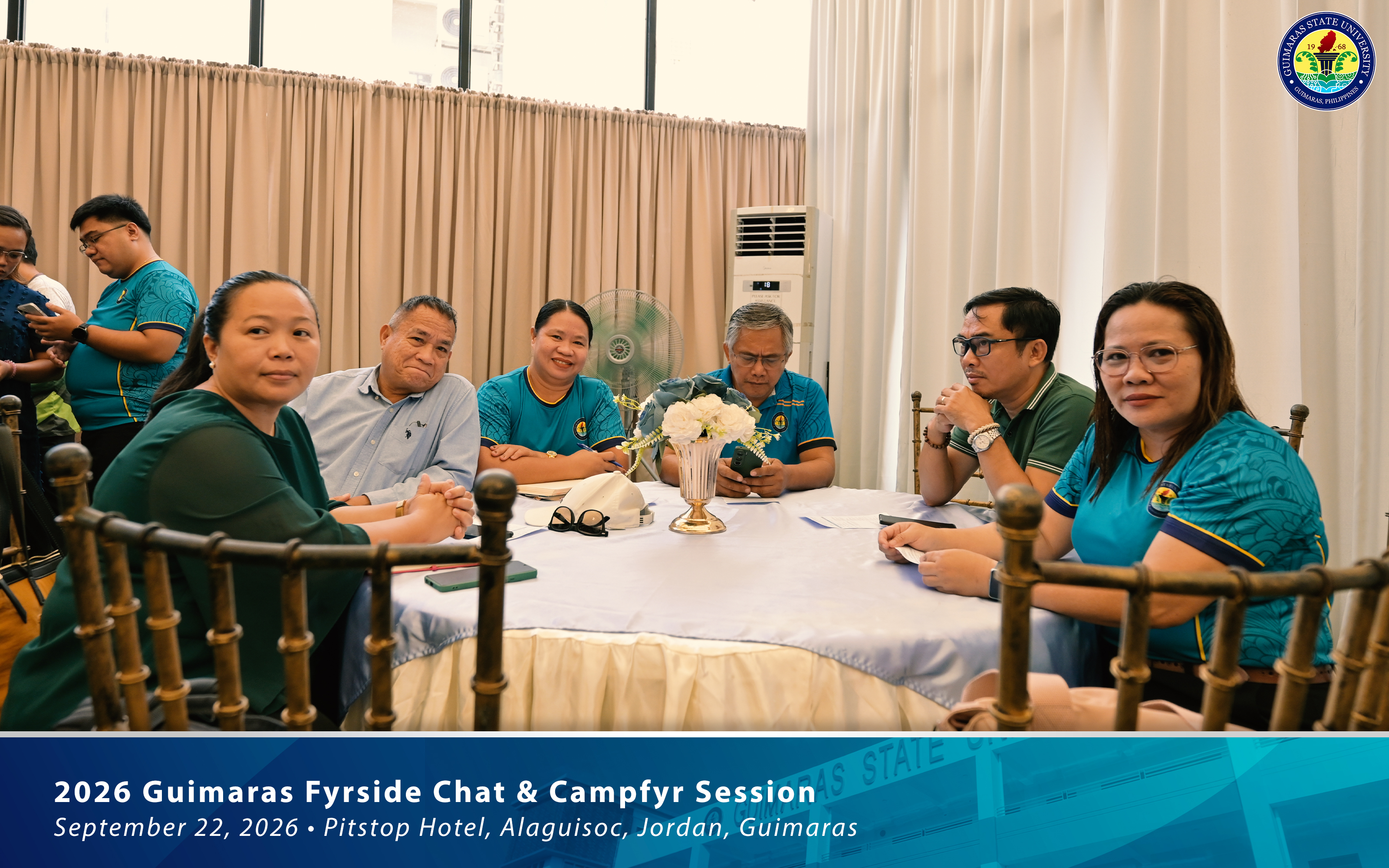
The open forum and audience interaction extended the exchange to questions from participants, allowing the panel to take up concerns surrounding startup formation, research utilization, industry participation, and the support structures required to carry an idea from conception toward implementation.
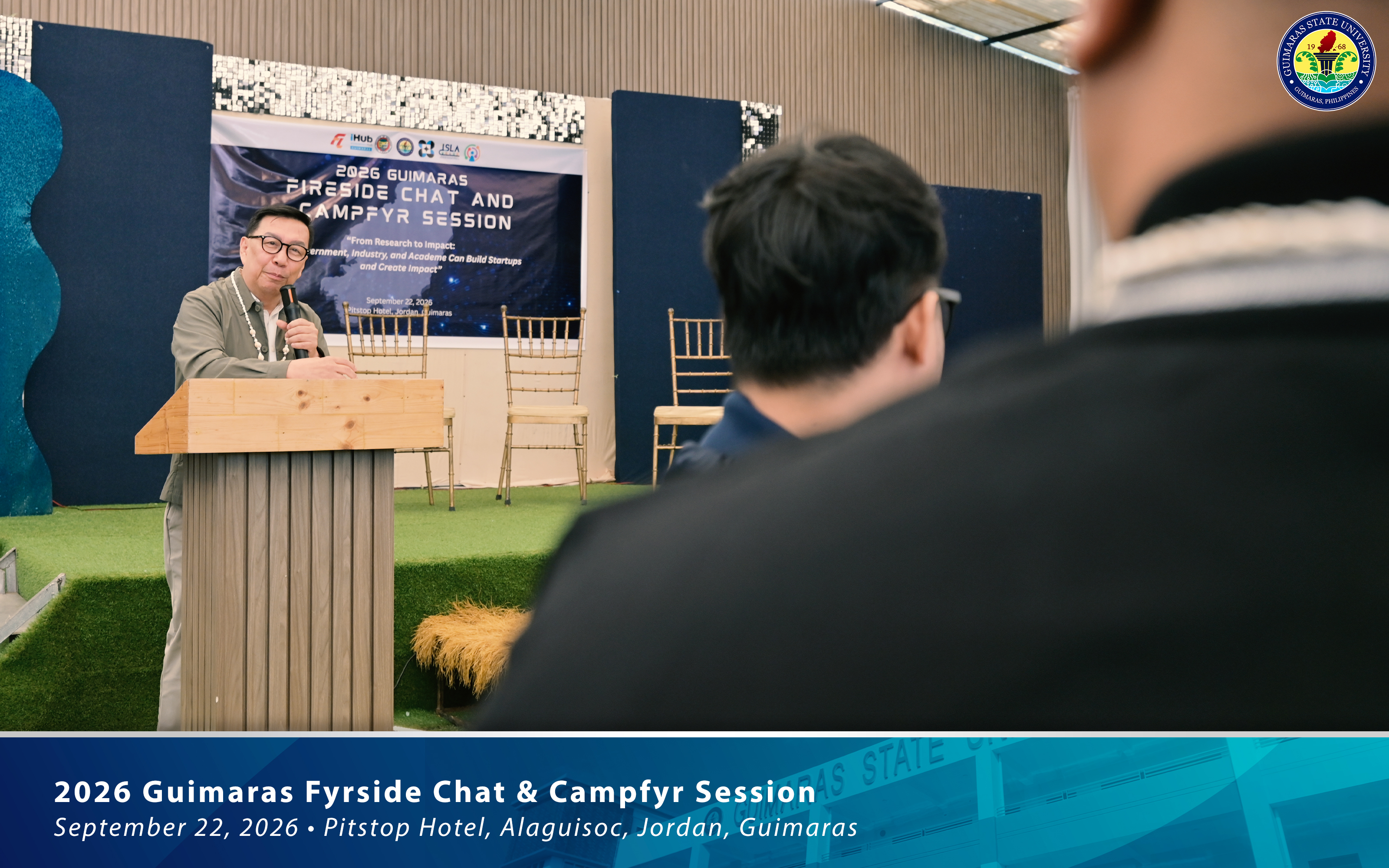
GSU likewise placed its own innovation infrastructure on the agenda through the presentation of the Mobile Innovation Hub by Dr. Frenz Rian G. Gal, Project Leader of the Integrated Innovation Hub System. The organizing committee subsequently introduced the Mobile iHub, presenting its intended role in bringing innovation-oriented services and activities closer to prospective innovators and communities.
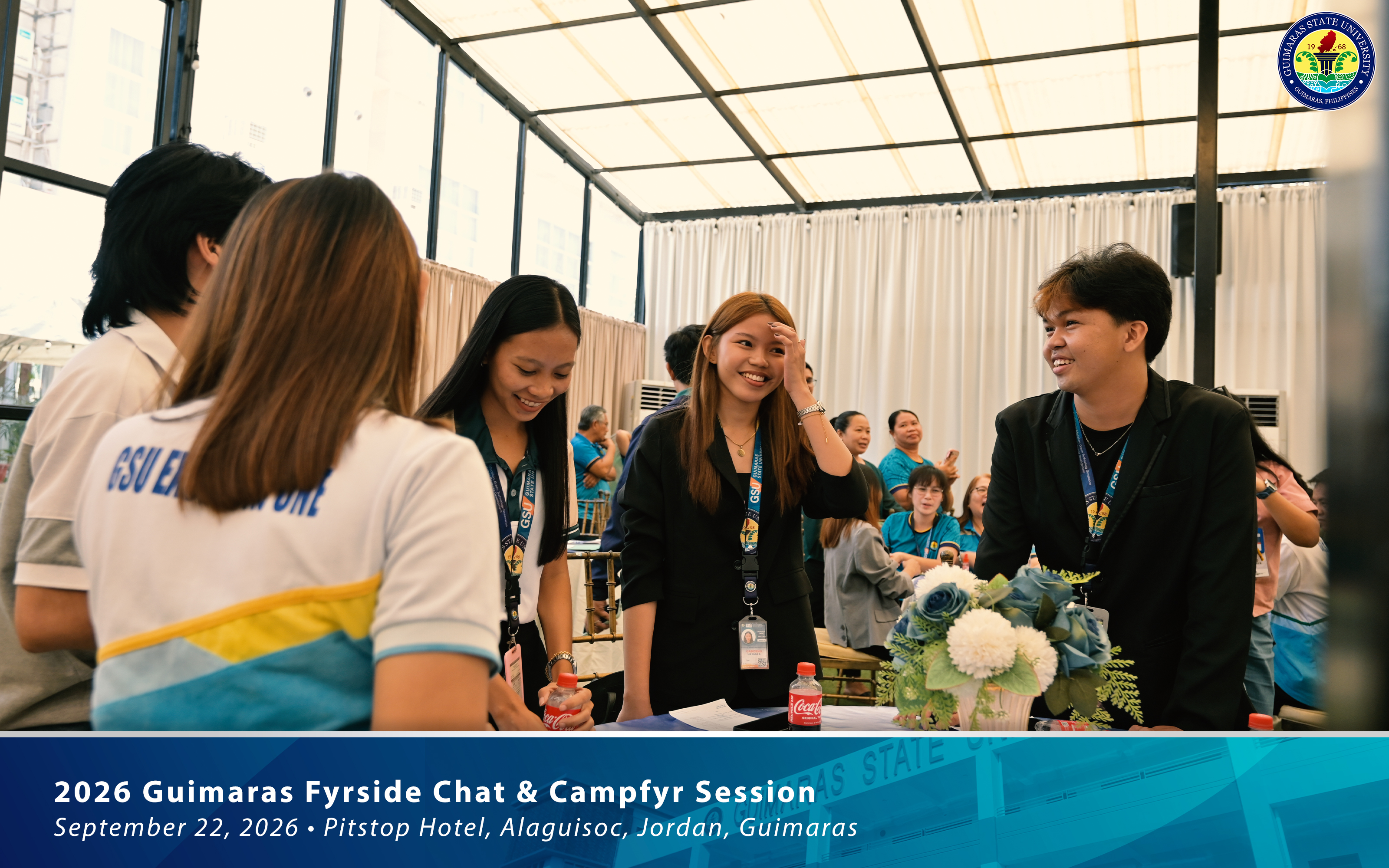
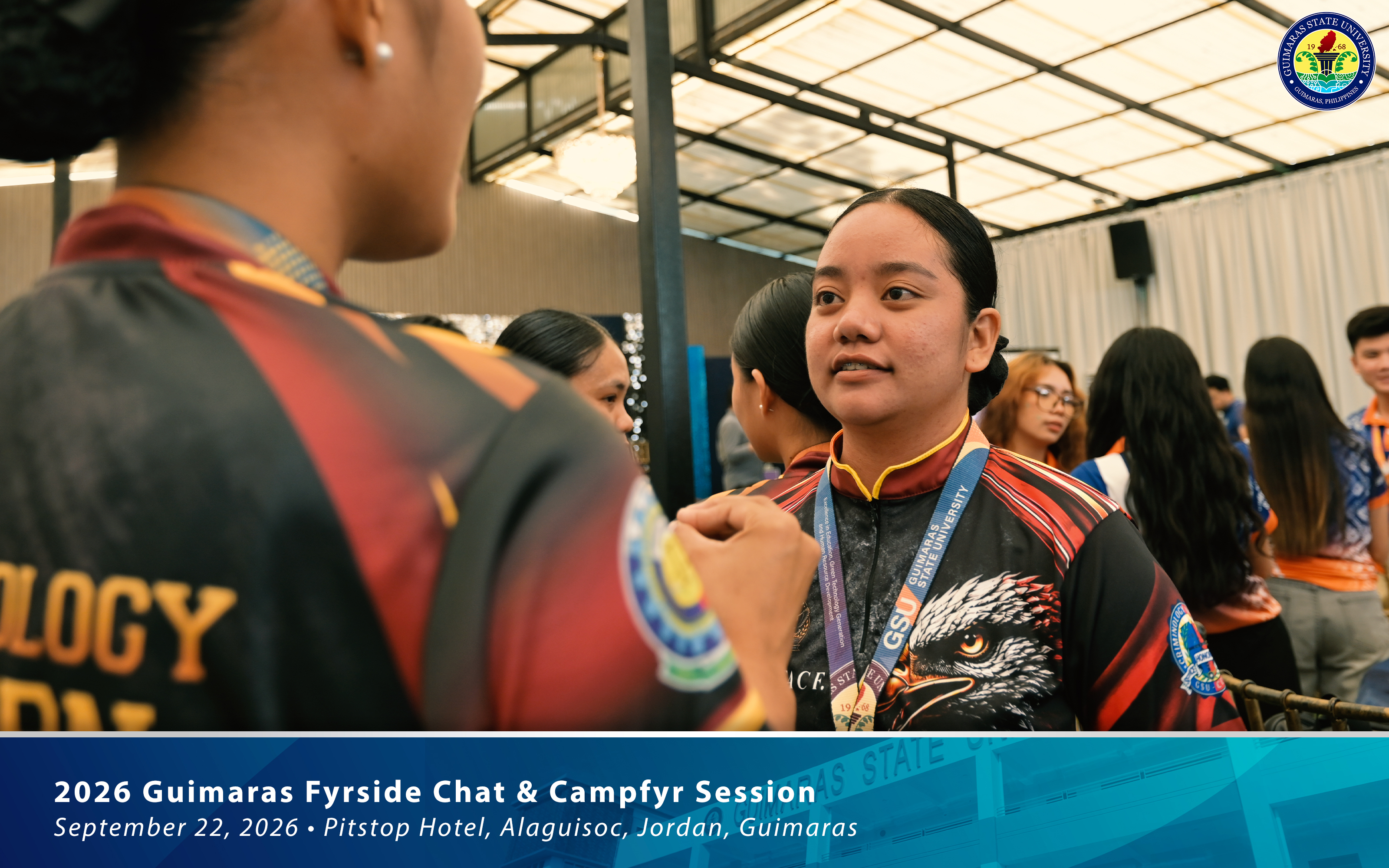
The program later shifted from discussion to networking through the CampFyr Session: Startup Engagement and Networking, facilitated by Lasafin. The session gave participants room for less formal exchanges on possible collaborations, business ideas, research applications, and connections across sectors.
Dr. Julius T. Vergara, Vice President for Research, Extension, Training and Innovation, delivered the closing remarks, bringing the activity to a close with emphasis on the continuing work of linking research with innovation and productive engagement beyond the university.
The gathering placed a practical question before the University’s research community: how does an idea acquire a life beyond the paper? For GSU, the answer lies partly in the links between research, public institutions, and the private sector—relationships that can provide the expertise, resources, market knowledge, and institutional backing needed for promising work to move toward use.