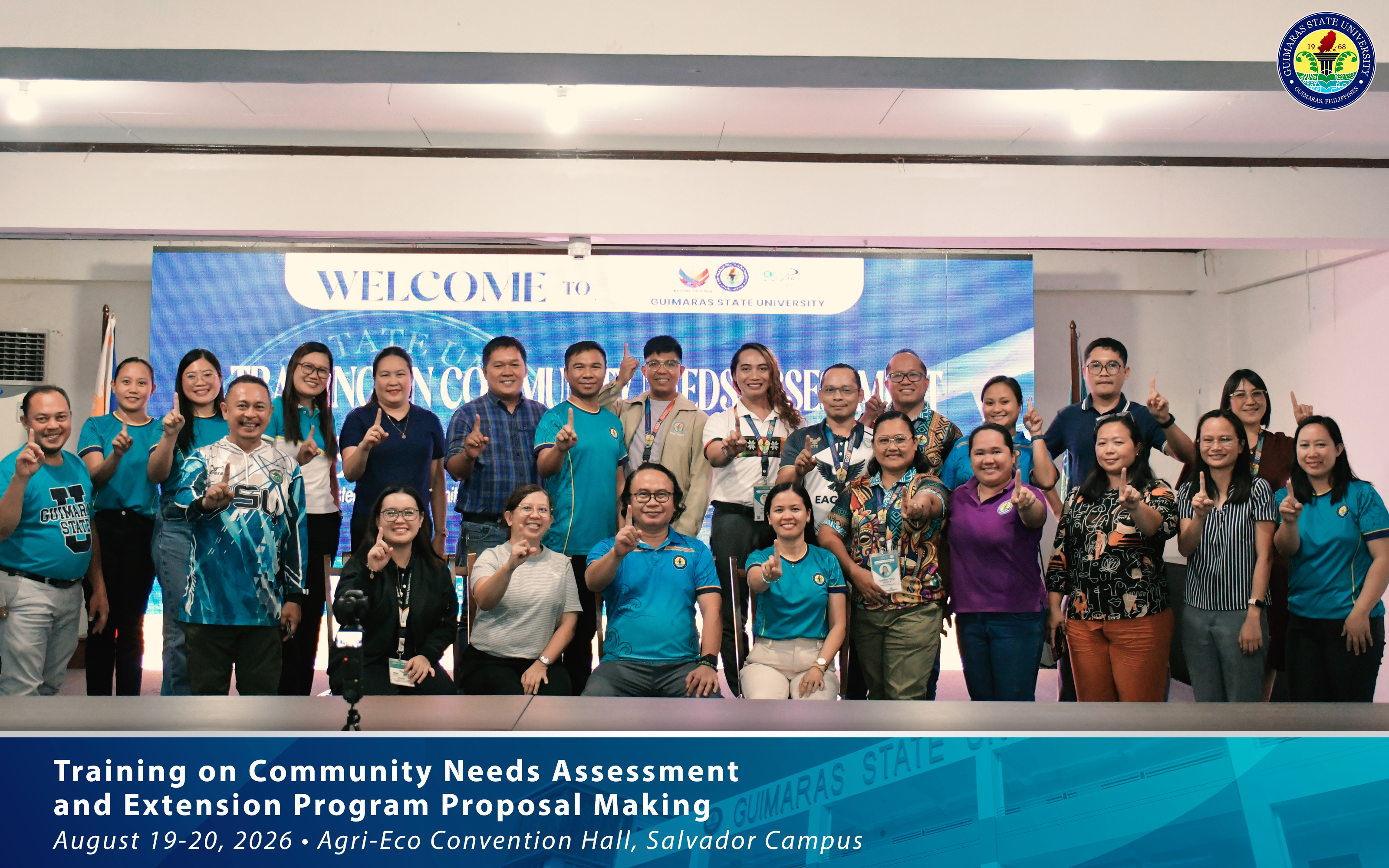
Guimaras State University (GSU), through the Community Extension Services, conducted a two-day Training on Community Needs Assessment and Extension Program Proposal Making on August 19–20, 2026, anchored on the theme “Listening to Communities, Designing Responsive Programs, Creating Sustainable Impact.”
The activity was held at the GSU Learning Commons on the first day and the Agri-Eco Convention Hall on the second day, bringing participants into a structured learning process focused on making extension interventions more attuned to community realities.
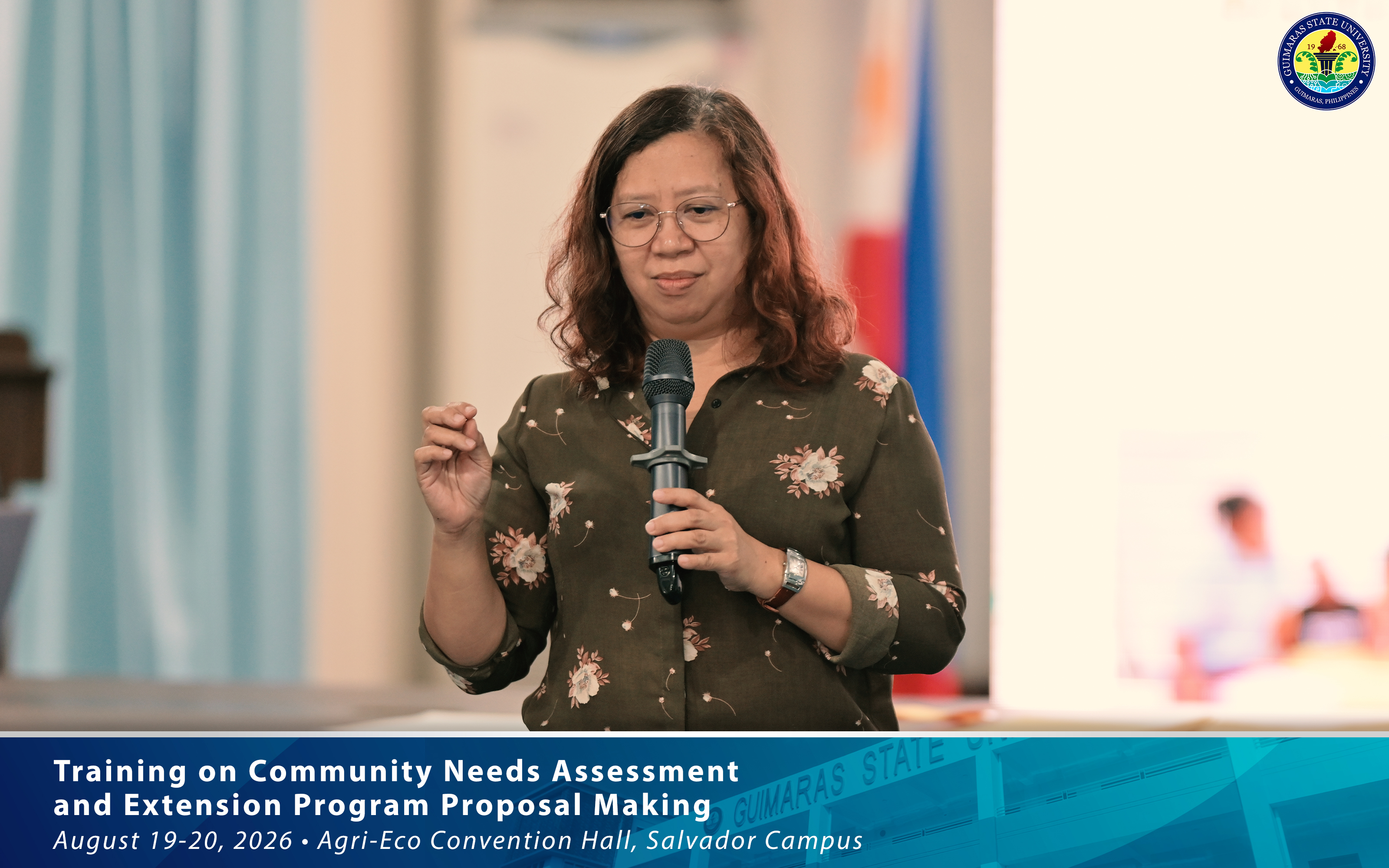
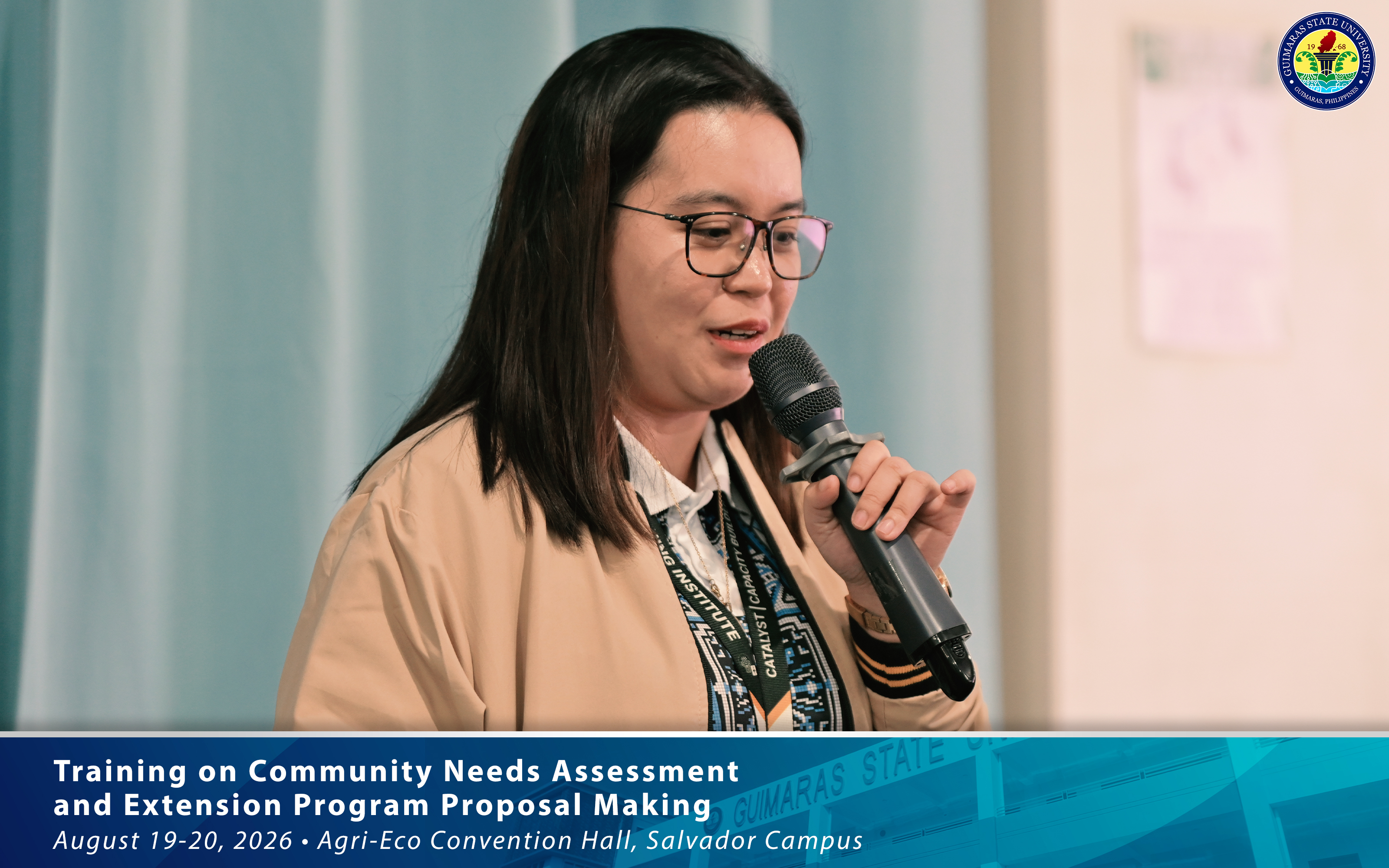
Dr. Julius T. Vergara, Vice President for Research, Extension, Training, and Innovation (VPRETI), delivered the message of support, focusing on the University’s thrust to ground extension work in community realities, empirical understanding, and responsive program design.
He emphasized the value of equipping extension practitioners with appropriate tools for identifying community priorities and translating field-based findings into viable interventions.
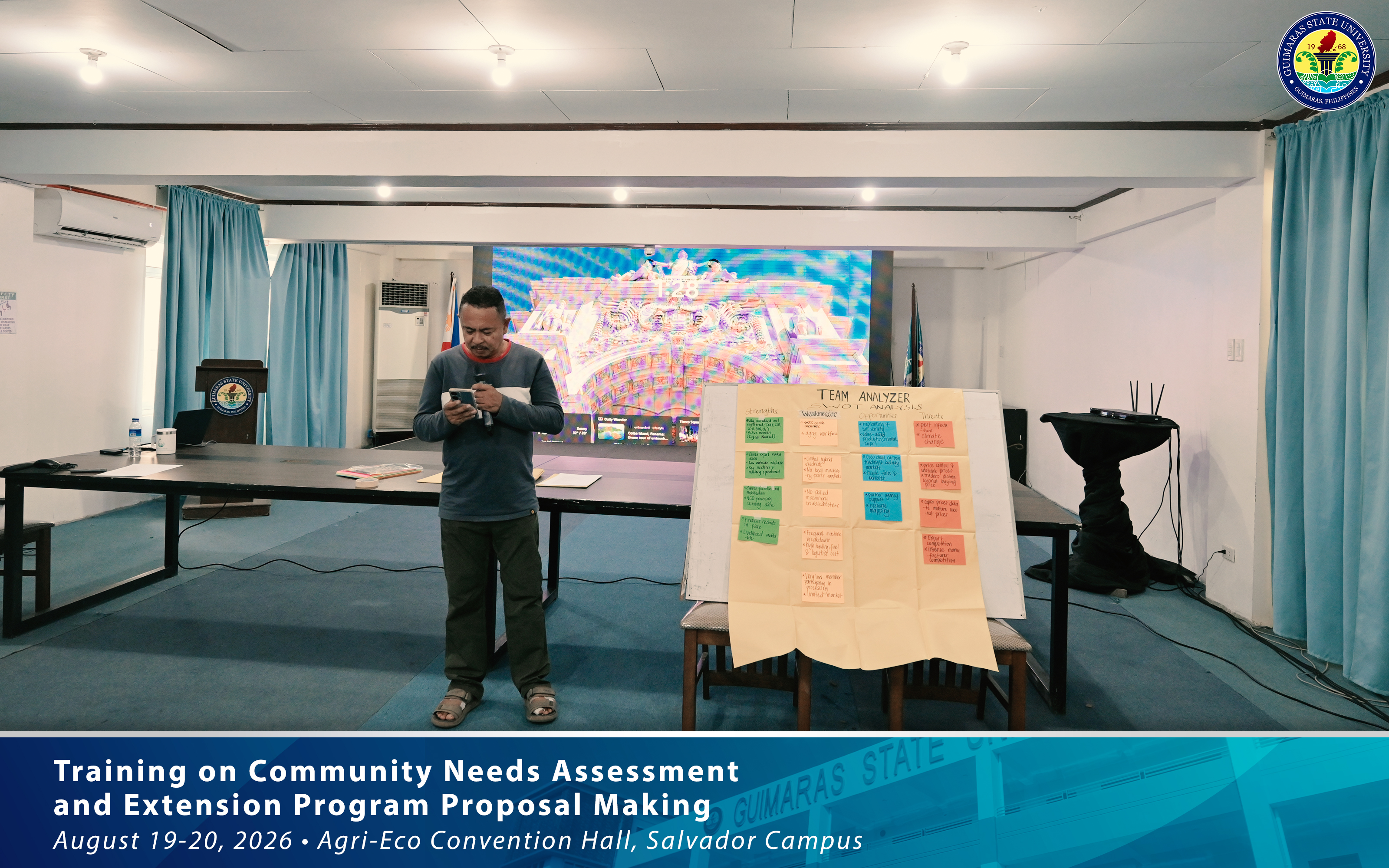
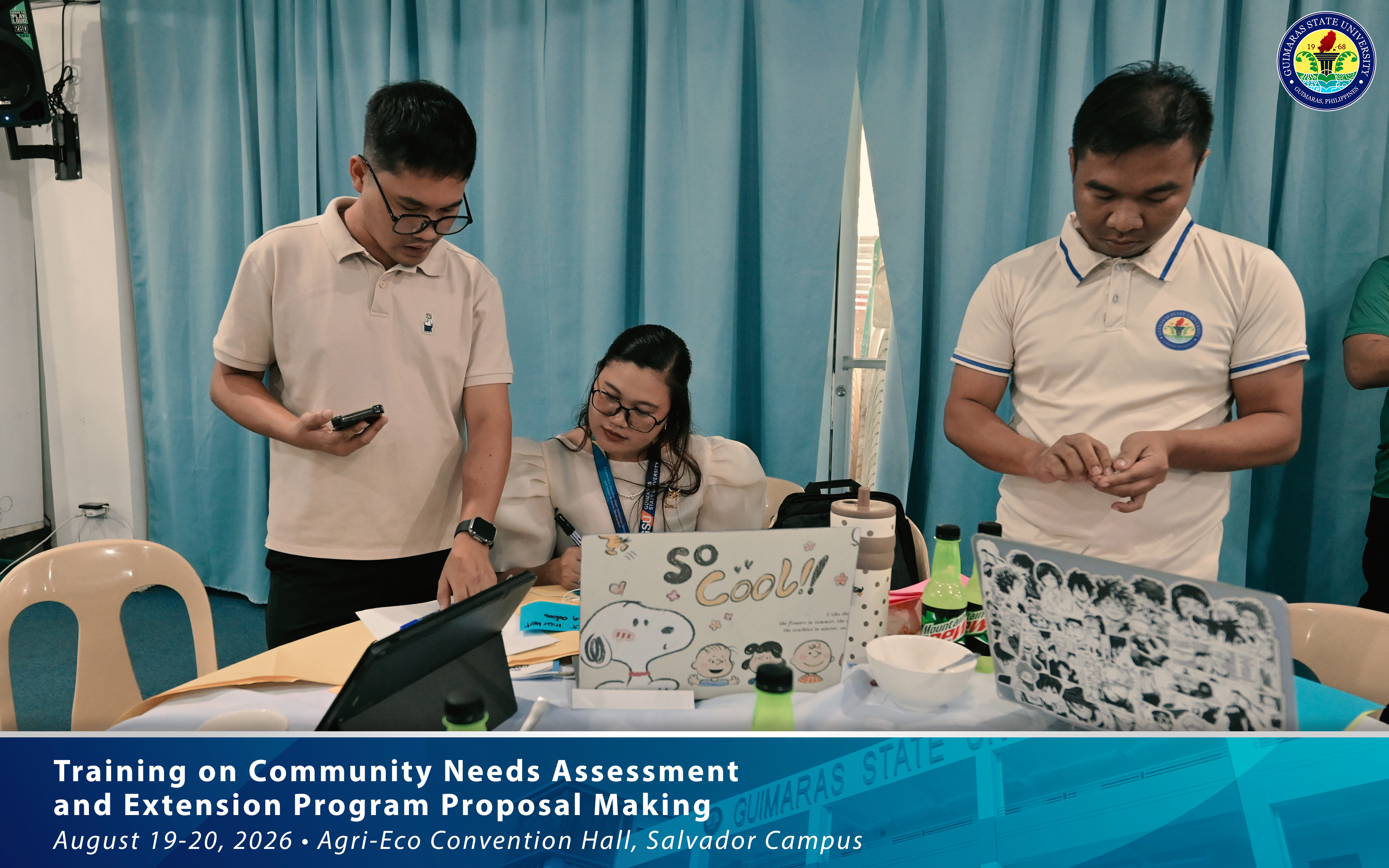
Meanwhile, Dir. Daisy B. Ibieza, Director of the Community Extension Services Office (CESO), delivered the statement of purpose, outlining the training’s role in sharpening the University’s extension planning architecture. She highlighted the need for systematic community consultation and participatory assessment as foundations for developing programs that are relevant, feasible, and attuned to the conditions of intended beneficiaries.
Serving as resource speakers were Ms. Gay Ritchel Gundilyn Q. Dianala, Assistant Center Director of ATI-RTC 6, and Ms. Rosalinda Kathlene Grace T. Rigodon, Development Management Officer I of ATI-RTC 6.
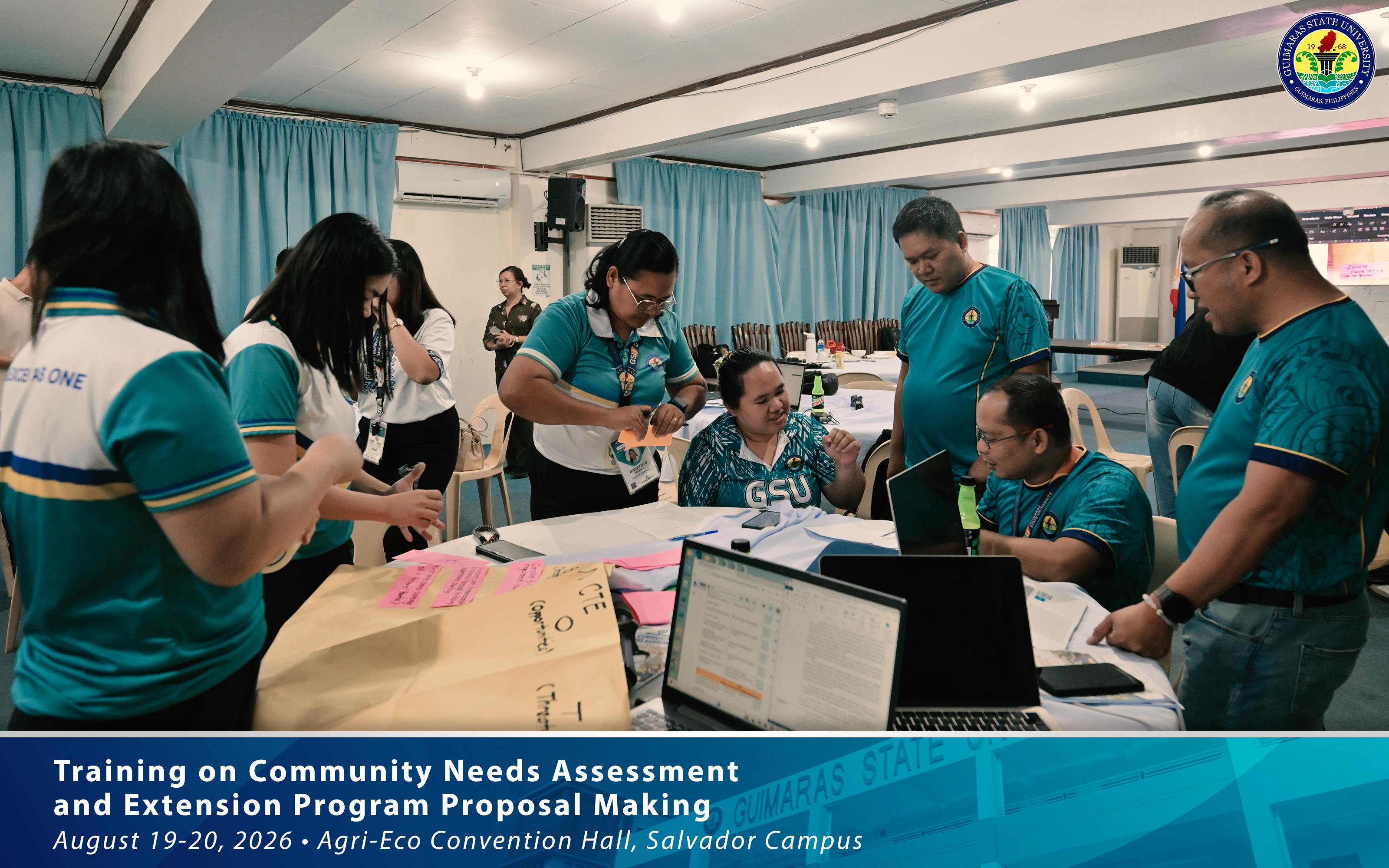
The sessions moved from extension planning concepts to field-oriented application, featuring discussions and workshops on Stakeholder Needs Assessment (SNA) and Participatory Rural Appraisal (PRA) tools. Participants likewise engaged in practical exercises on extension proposal development, followed by plenary presentations, peer critique, and technical feedback on their outputs.
The training placed emphasis on participatory inquiry and evidence-informed extension planning, reinforcing the importance of understanding community conditions before translating identified needs into programs and projects.