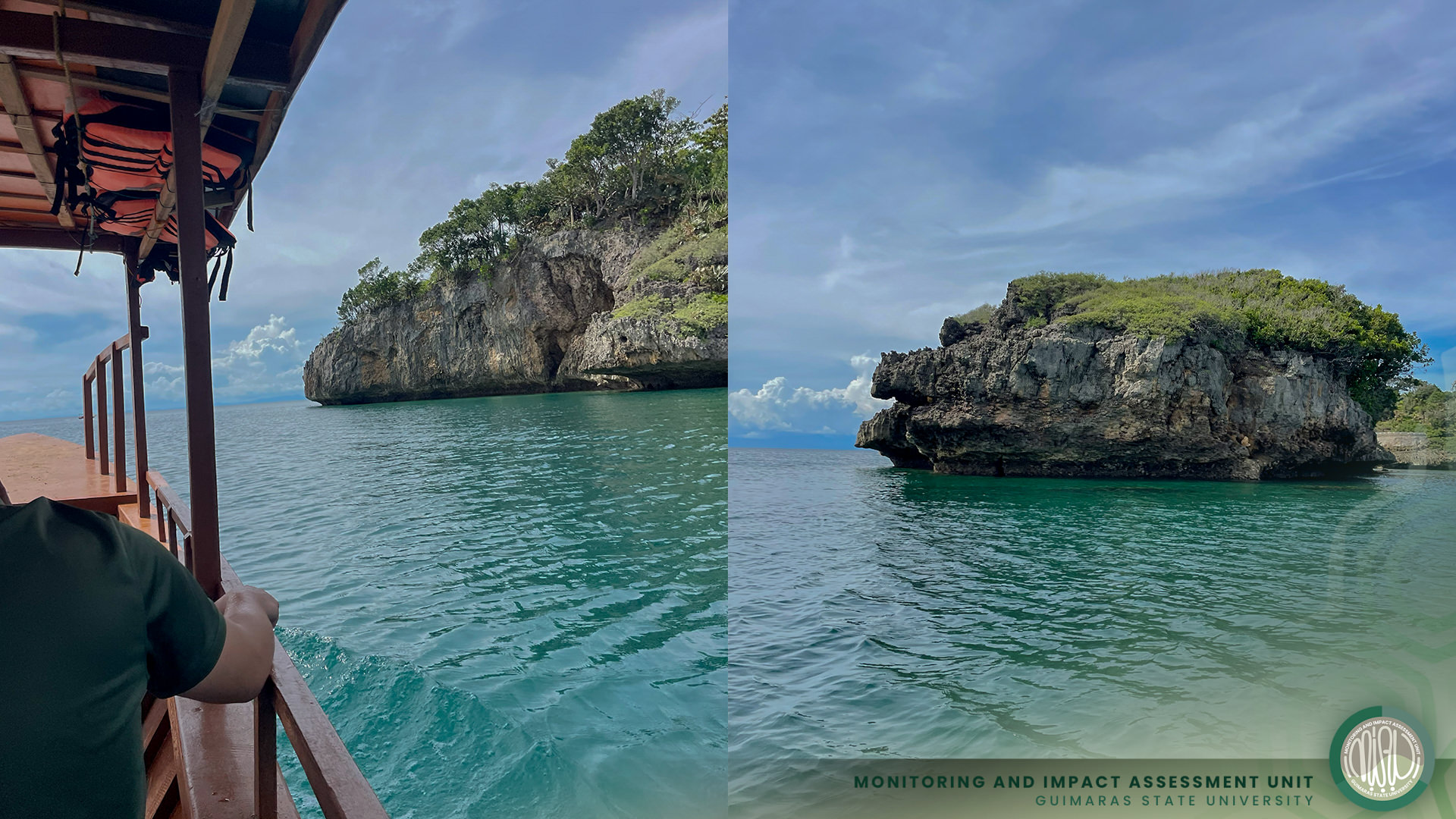
A beautiful destination may attract tourists, but it is the stories, hospitality, and experiences shared by the community that make them want to return.
Recognizing the importance of creating more organized and meaningful tourism experiences, the Monitoring and Impact Assessment Unit (MIAU) of the Extension Services Division, in collaboration with the College of Tourism and Hospitality Management (CTHM), commenced a monitoring activity for the PAGLAUM (Providing Access and Guidance for Local Advocates to Uplift and Maximize Tourism-related Enterprise) extension program on October 29, 2026, in San Roque, Nueva Valencia, Guimaras.
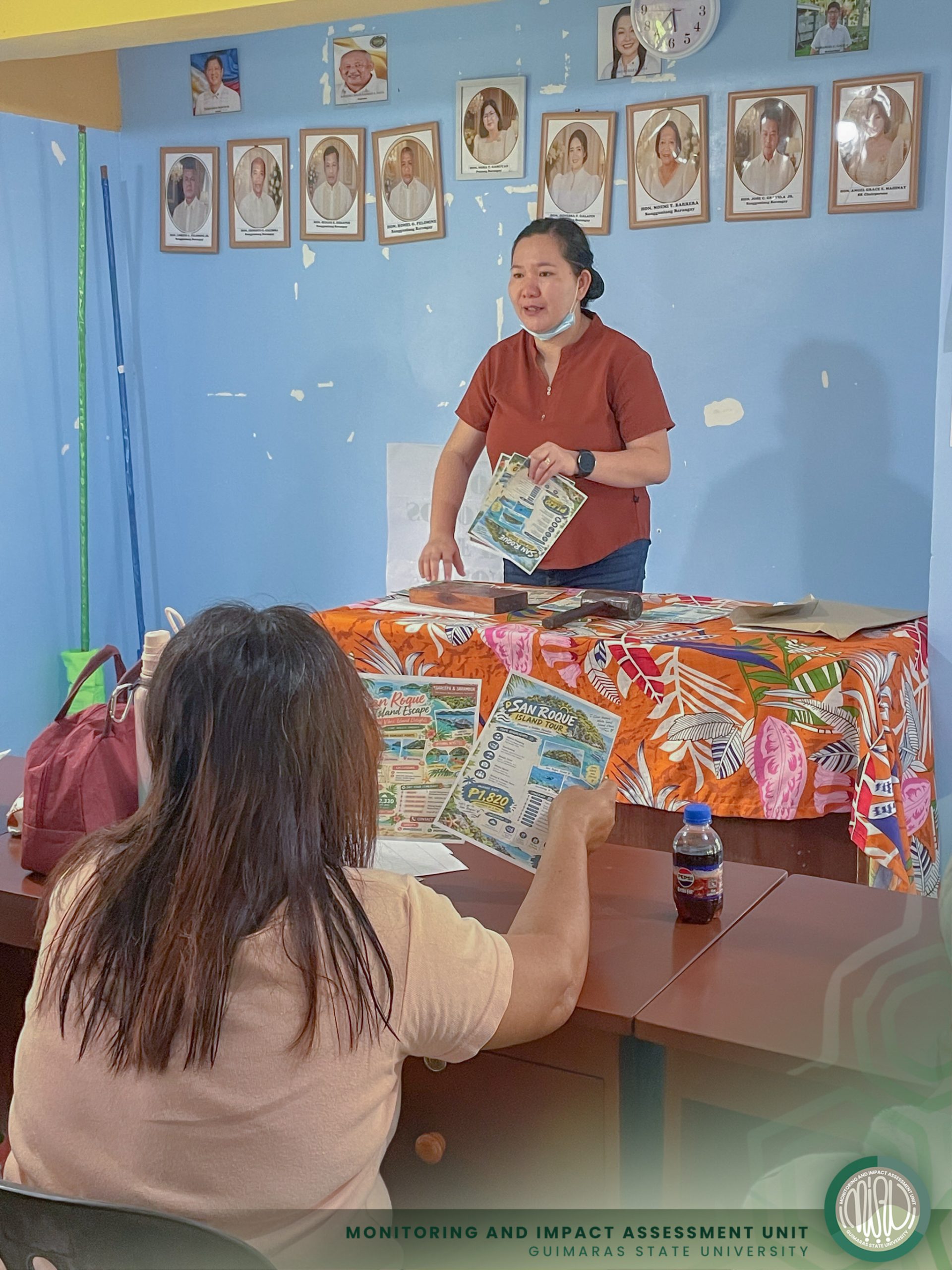
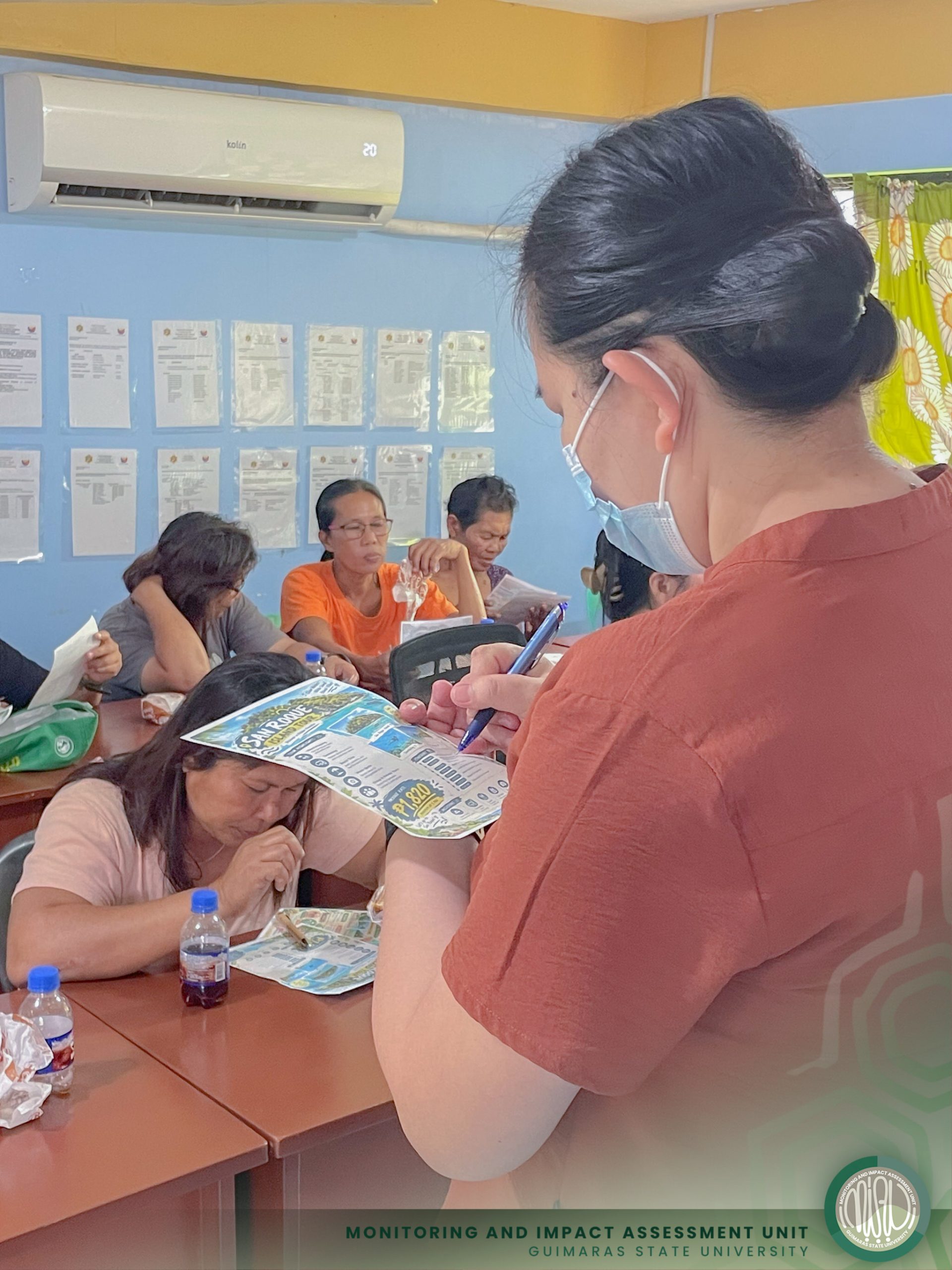
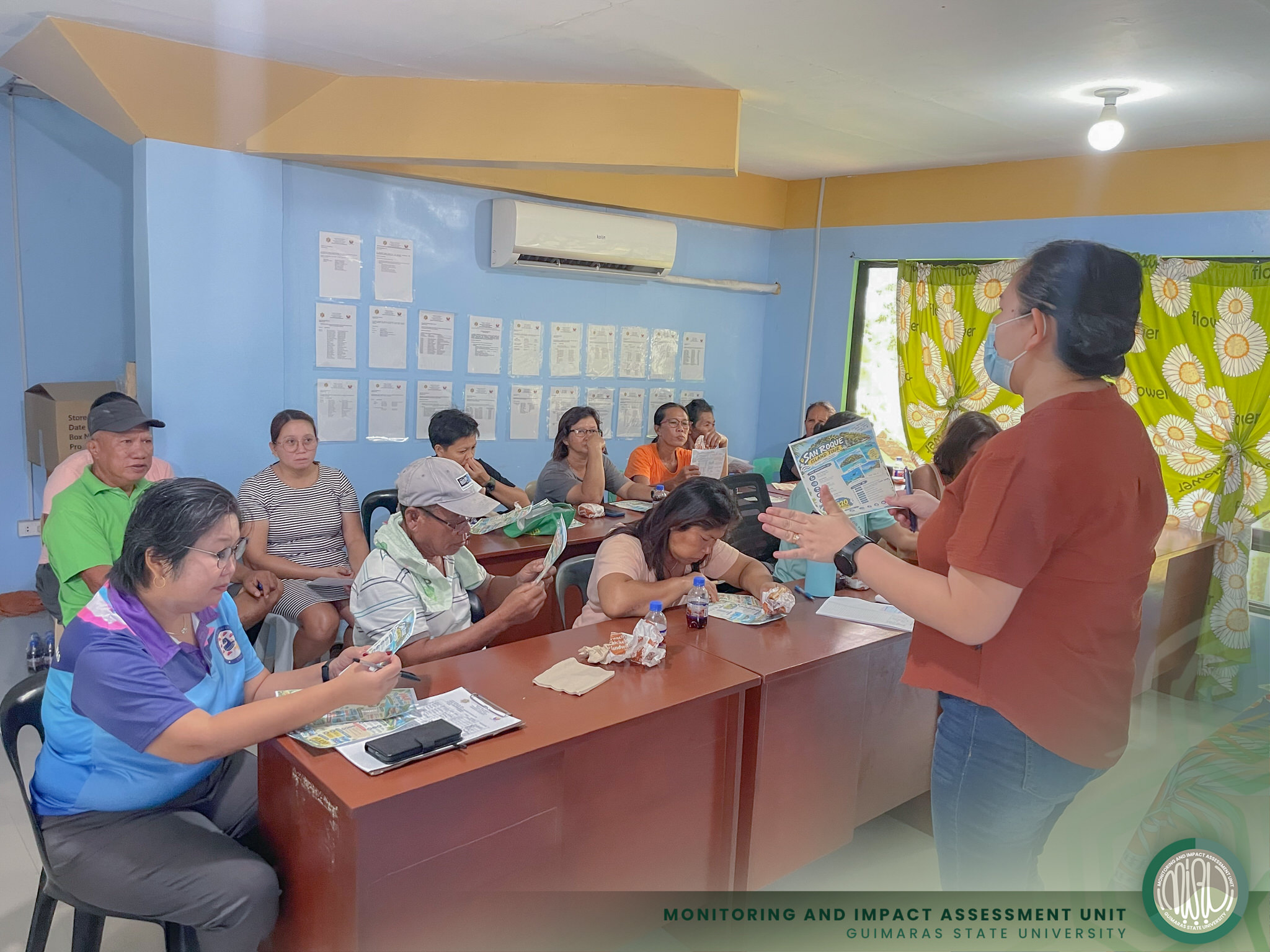
The activity revisited the community members’ proposed tour itineraries and packages developed during their previous extension engagement. Organized into four groups, the participants had previously designed their respective itineraries, outlining potential destinations, tour schedules, and activities for tourists, particularly those participating in island-hopping excursions.
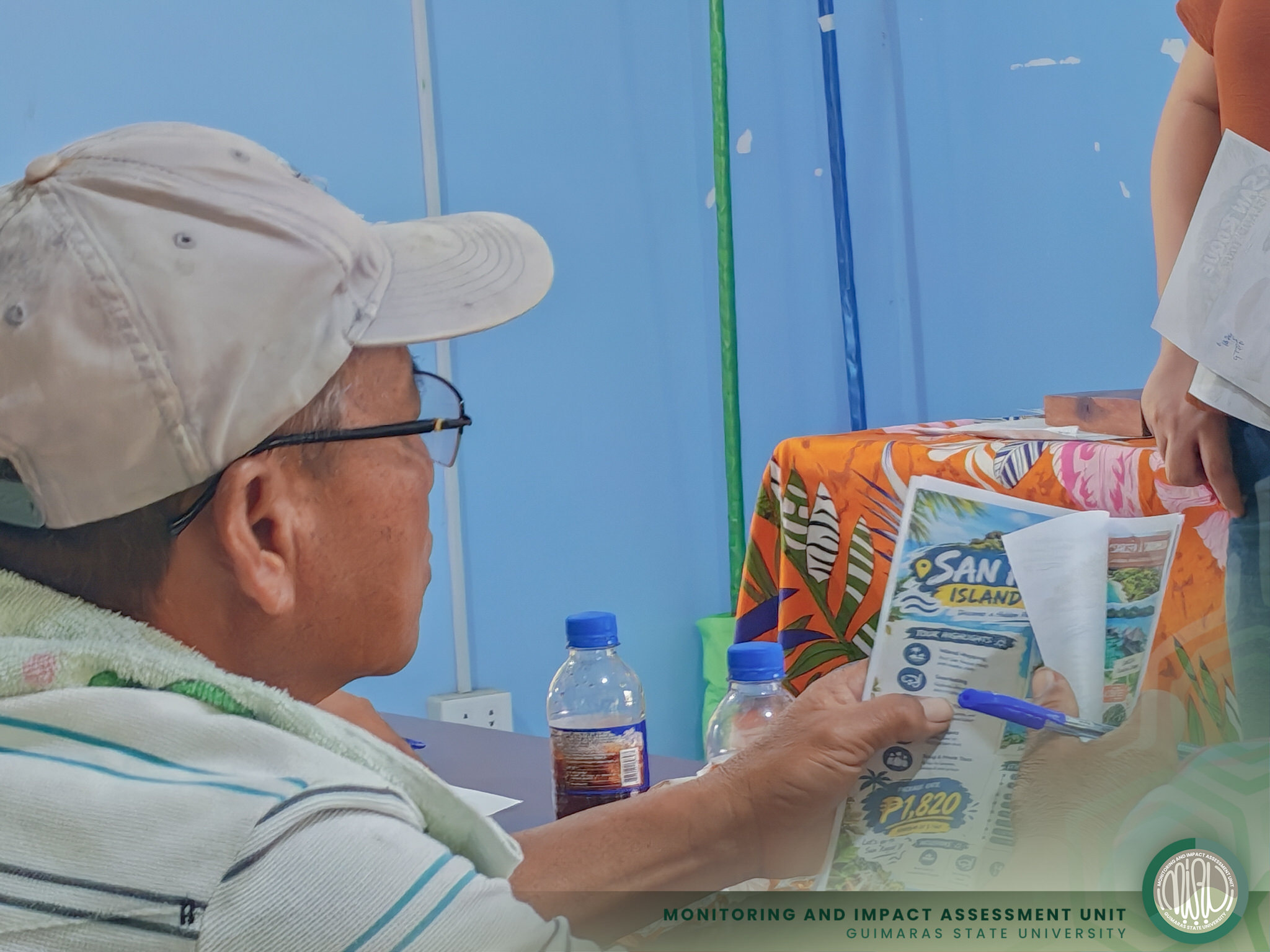
This initiative seeks to introduce a more structured approach to local tourism, moving away from the existing practice of renting boats for an entire day without predetermined destinations or established tour schedules. Through the assessment, the community members were given an opportunity to evaluate their proposed packages, identify areas for improvement, and work toward developing one consolidated tour package that could serve as a common offering for the community.
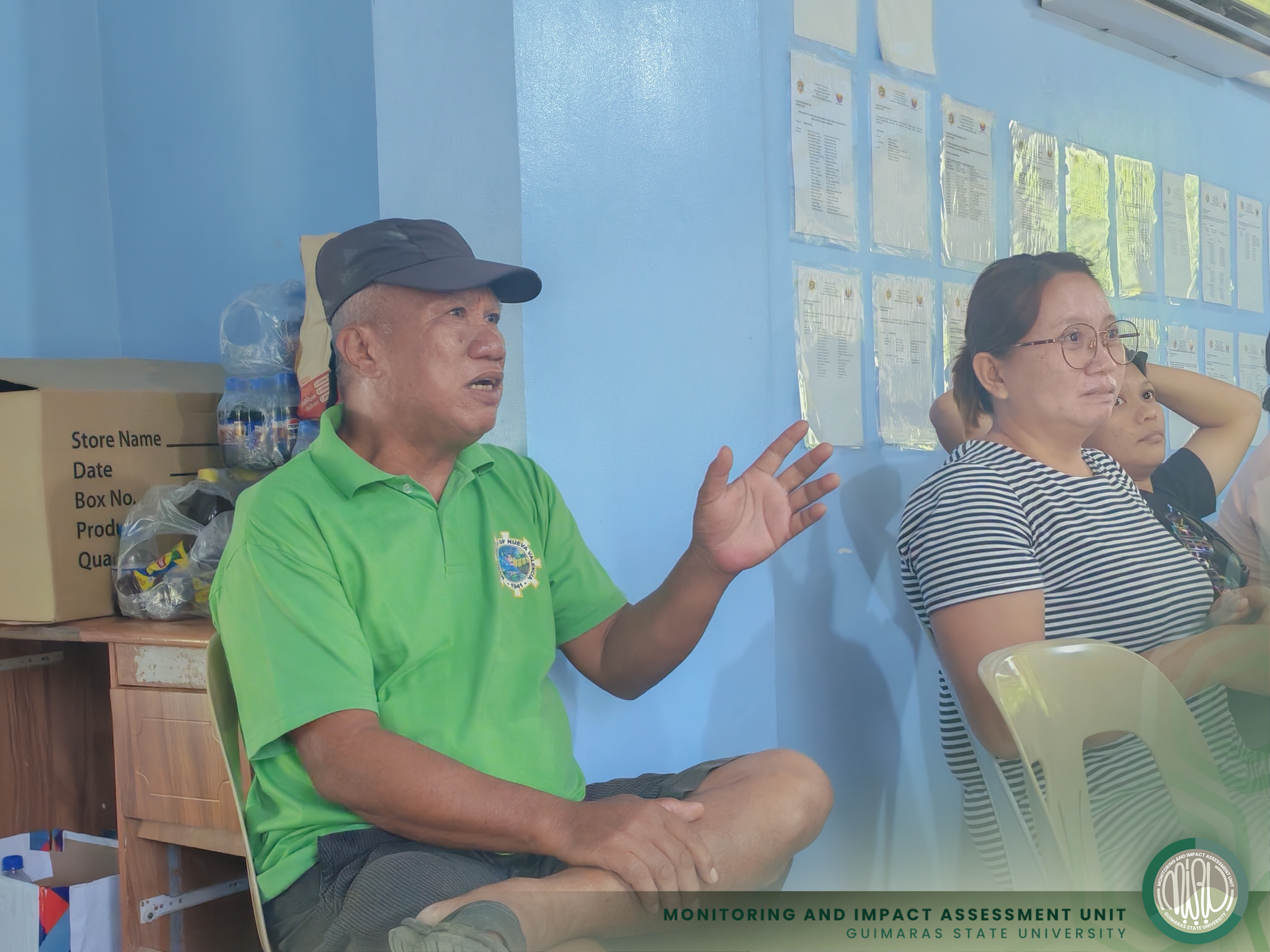
However, beyond the itineraries themselves, the discussions revealed important gaps that could affect the overall quality of the visitors’ experience.
Among the concerns raised were the need to clearly establish meal inclusions, whether plated or buffet-style, and the availability of competent local tour guides. Community members acknowledged that they still need to develop the necessary skills and knowledge to confidently guide visitors. In some instances, tour guides from Iloilo take the lead in introducing destinations, leaving opportunities for local community members to share their own stories, cultural heritage, and knowledge of the area’s natural attractions.
To address the issue of overlapping tour guides, there is a clear need for a municipal policy in Nueva Valencia mandating that local tour guides take over once tourists arrive in Guimaras. Currently, tourists frequently book through agencies based in Iloilo, whose guides conduct the entire tour within Guimaras. Establishing a local policy would ensure that local guides—who possess direct, authentic, and deep knowledge of the place—are given precedence to handle and lead tours within their own municipality.
The discussions also brought attention to the importance of proper tourist orientation and transparent communication of additional expenses. Entrance fees and miscellaneous charges for certain destinations must be clearly communicated before the tour begins to avoid misunderstandings and possible disappointment among visitors.
Another concern was the limited availability of updated and informative promotional materials. Recognizing this need, the ongoing intervention also aims to produce a consolidated tour package and an improved promotional brochure featuring actual photographs of the destinations, providing prospective visitors with a more accurate representation of what San Roque has to offer.
More importantly, the community members expressed their desire for practical, hands-on training that would equip them with the confidence and competence to handle tourists. They emphasized the need for actual on-site tour guiding exercises, proper guest handling, and effective ways of entertaining and engaging visitors.
For them, tourism should not simply be about bringing people to beautiful places. It should also be about making visitors feel welcomed, valued, and connected to the community. After all, a memorable tourism experience is one that inspires people to return, not only for the scenery but also for the warmth and hospitality they encounter.
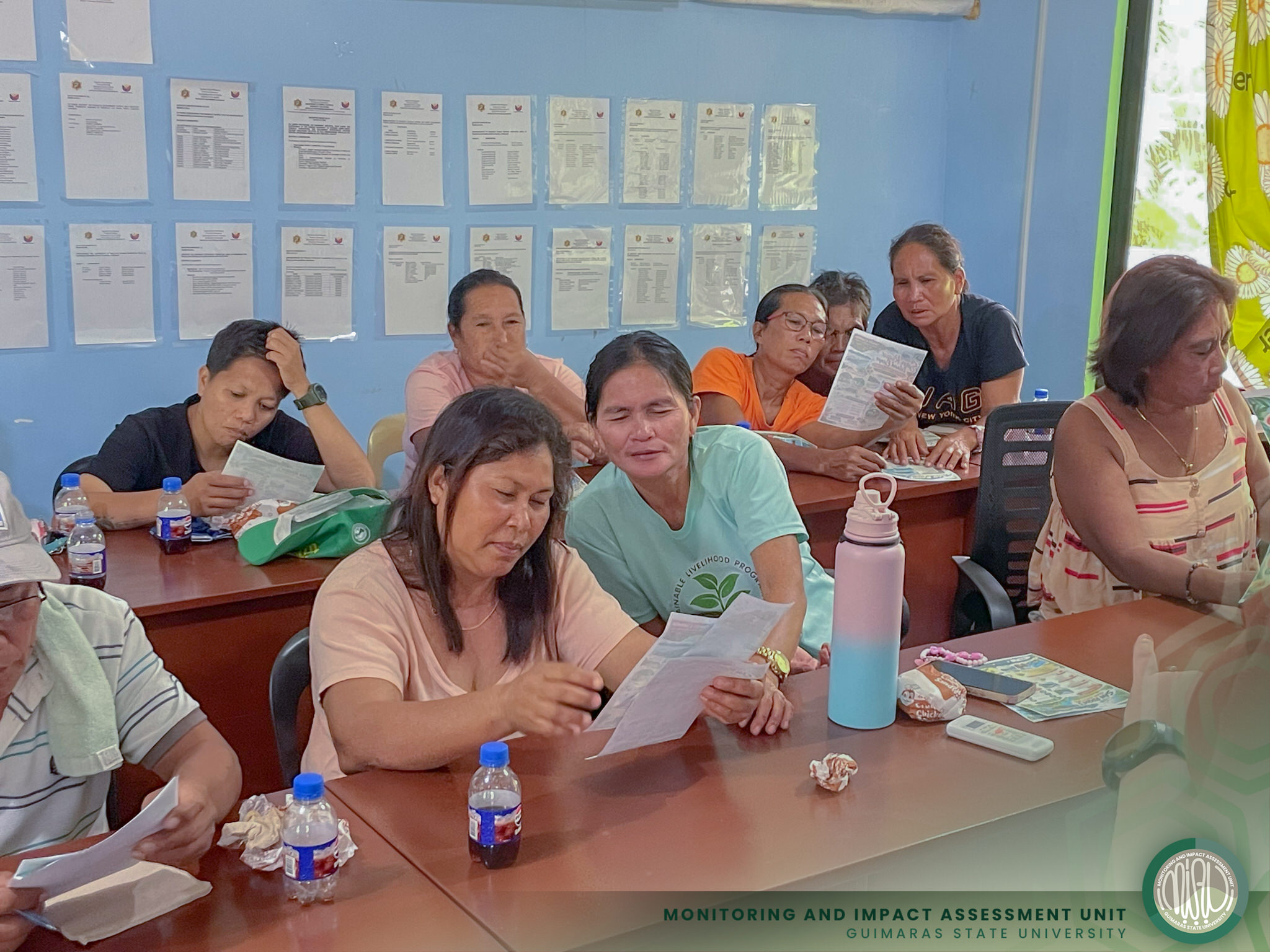
These insights provide CTHM with a clearer understanding of the community’s emerging capacity-building needs and opportunities for further intervention. The identified concerns may serve as a basis for another community needs assessment to determine appropriate training programs and other extension initiatives.
Through MIAU’s monitoring and assessment efforts, the PAGLAUM program continues to recognize that sustainable community-based tourism requires more than well-designed itineraries and attractive destinations. It calls for empowered local advocates, informed community members, and meaningful experiences that reflect the identity and potential of the people behind every destination.
Because the true beauty of tourism is not only found in the places people visit, but also in the people who make every journey worth remembering.
POST ID: SOC-261109-0207